
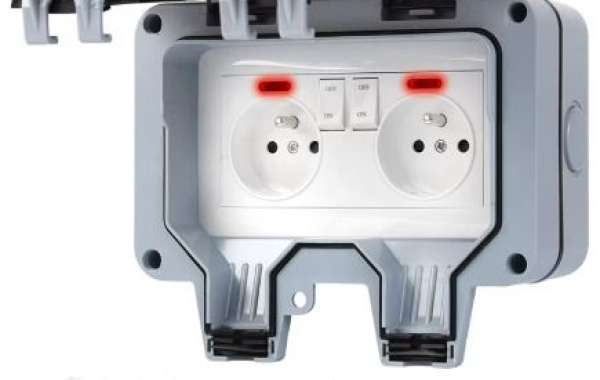
Across cities adapting to changing loads and decentralized generation, the outdoor electrical distribution panel has emerged as a focal point for new infrastructure thinking. As renewable inputs, mobile charging hubs, and community scale storage appear near streets and plazas, enclosures outside must combine weather resistance with intelligence so crews can manage feeds without frequent site visits.
Emerging tech gives these field cabinets fresh capabilities. Simple metering and wireless telemetry turn a passive junction into an active data source for operations teams. Sensors inside can track temperature trends and vibration signatures that point to loose connections long before visible faults appear. When alerts route to mobile dashboards, technicians schedule checks during planned windows instead of chasing alarms at inconvenient hours.
Modularity is shifting procurement logic. Designs that accept plug in monitoring boards or spare trays let owners add capability without swapping the whole box. That approach keeps upfront installation tidy and lets managers phase in new functions as budgets and priorities evolve. For sites that expect load growth or new local supplies, modular frames reduce invasive work and preserve surrounding finishes.
Materials and thermal design matter for long term service. Enclosures that use UV stable finishes and that allow passive airflow protect internals from prolonged heat exposure. Vent paths that shed warmth while keeping out rain and dust reduce stress on terminations during hot spells. Where marine air or aggressive cleaning regimes exist, corrosion resistant alloys and replaceable seal kits extend service intervals and keep inspection checks meaningful.
Cyber physical security is part of the conversation. As cabinets accept networked elements, data protection and access control matter alongside gasket integrity and locks. Encrypted telemetry combined with lockable doors and tamper evident fasteners helps teams protect both hardware and information. Physical safeguards and clear network policies together lower the chance that a remote readout leads to an unwanted intervention at the site.
Power quality and coordination also benefit. Field electronics can provide local sequencing and soft start features for high inertia loads, smoothing inrush and avoiding nuisance trips. When a panel coordinates with onsite storage or with a nearby inverter, local logic eases stress on feeders during peak events. Those functions support operators who must juggle demand, supply variability and grid signals with limited on site staff.
Siting and accessibility remain practical constraints. Locating a panel where doors open freely and where crews can reach isolation switches without blocking walkways speeds routine care. Anchoring to vibration resistant supports and allowing room for conduit routing reduces long term wear at entry points. Early collaboration between planners and installers saves adjustments later and reduces downtime during commissioning.
Predictive maintenance ties these threads together. Historical traces from temperature sensors and contact resistance checks reveal trends that guide spare holdings and servicing frequency. Rather than replace parts on a fixed cycle, maintenance teams act when indicators show wear. That targeted approach saves labor and keeps material use sensible while preserving continuity for connected services.
Integration with local energy strategies widens a panel's role. As microgrid architectures and neighborhood storage spread, field cabinets act as junctions for coordinated control. Panels designed to accept export controls or telemetry adapters simplify linking to energy orchestration layers. This flexibility helps communities manage local generation, respond to demand signals, and support resilience during supply events.
Choosing a supplier that documents accessory kits, spare part lists and handling notes helps close the loop between design and operation. Clear manuals and a predictable parts catalogue reduce procurement friction and speed repairs when wear appears. When vendors publish simple wiring guides and recommended inspection steps, teams on the ground work with greater confidence and inspectors can verify compliance more efficiently.
For property managers and engineers planning next generation field distribution, the future favors enclosures that combine robust mechanical design with measured intelligence. A considered specification pays attention to heat paths, seal replaceability, modular expansion, and secure telemetry so panels remain manageable over their service life. If you would like to review product families and accessory kits for field installations visit https://www.nante.com/ where technical pages, accessory lists and contact options can help align a selection with site conditions and operational goals. Contact channels on the site connect you with staff who can advise on matching enclosure choices to local constraints and maintenance plans.